Poor WiFi signal can quickly turn a premium building in Stockholm from a desirable address to a source of daily frustration. For property managers and IT administrators, seamless digital connectivity is not just a feature but a necessity for attracting and retaining discerning tenants. Understanding the importance of WiFi coverage and choosing the right network solutions—such as Ubiquiti UniFi—can transform building infrastructure, ensuring reliability, satisfaction, and future growth across commercial and residential spaces.

Table of Contents

Key Takeaways

Point Details
Importance of WiFi Coverage Effective WiFi coverage underpins digital connectivity, supporting seamless communication in various environments.
Proactive Network Management Conducting regular site surveys and audits is essential for maintaining optimal performance and identifying potential coverage issues.
Installation and Cabling Meticulous installation and quality cabling design are crucial for robust network performance and reliability, especially with modern standards like WiFi 6 and WiFi 7.
Adaptive Solutions Selecting the right WiFi deployment model, whether traditional, mesh, or cloud-managed, is key to meeting the specific needs of the environment.

WiFi Coverage And Its Core Importance

WiFi coverage represents the fundamental infrastructure enabling digital connectivity across residential, commercial, and academic environments. Understanding its significance goes beyond merely providing internet access — it’s about creating seamless, reliable communication networks that support modern technological ecosystems.

In academic settings, wireless network design plays a critical role in supporting learning experiences. University network infrastructure studies demonstrate how strategic WiFi deployment enhances connectivity for staff, students, and guests. The core components of effective WiFi coverage include:

Professional network administrators recognise that WiFi coverage isn’t just about broadcast range — it’s about creating intelligent, responsive network environments. Proper placement of access points, understanding signal propagation characteristics, and managing potential interference zones become paramount in developing high-performance wireless networks.

Modern organisations require WiFi networks that can handle increasing device density and bandwidth demands. This means considering factors like:

  1. Total device connection capacity
  2. Signal penetration through physical structures
  3. Frequency band utilisation (2.4 GHz vs 5 GHz)
  4. Network segmentation capabilities

Signal coverage transforms from a technical requirement into a strategic business asset. Whether supporting remote workers, enabling collaborative environments, or providing guest internet access, a well-designed WiFi network becomes the invisible backbone of contemporary communication infrastructure.

Pro tip: Conduct periodic WiFi site surveys to identify and resolve potential coverage gaps before they impact operational efficiency.

Types Of WiFi Solutions For Properties

Modern properties require sophisticated wireless network infrastructures that adapt to diverse technological needs. Campus-wide network strategies demonstrate the complexity of selecting appropriate WiFi solutions tailored to specific environmental requirements.

Property managers and network administrators have several primary WiFi deployment options to consider:

Wireless network architectures can be categorised into distinct implementation models. Comprehensive network planning reveals three primary approaches to WiFi solutions:

  1. Standalone Access Point Deployments
  2. Controller-Based Network Architectures
  3. Cloud-Managed Wireless Platforms

Each deployment strategy offers unique advantages depending on property characteristics such as physical layout, user density, and specific connectivity requirements. Standalone access points work well in smaller environments, while controller-based systems provide centralised management for larger, more complex networks.

Couple using WiFi at apartment table

Cloud-managed WiFi solutions represent the most flexible modern approach, offering remote configuration, real-time performance monitoring, and scalable network design. These platforms enable network administrators to adjust configurations, troubleshoot connectivity issues, and analyse network performance without physical presence.

Here’s a concise comparison of modern WiFi deployment models and their ideal property settings:

Deployment Model Best Environment Key Benefit Typical Management Style
Standalone Access Point Small offices, homes Simple to install Local hardware management
Controller-Based Large campuses, hotels Centralised control Dedicated network controller
Cloud-Managed Flexible, multi-site Remote monitoring Cloud dashboard interface

This quick guide helps property managers match WiFi solutions to their needs.

Selecting the right WiFi solution requires careful evaluation of your property’s specific technological ecosystem and future connectivity demands.

Bandwidth requirements and signal distribution remain critical considerations when choosing between different WiFi implementation strategies. Factors like building materials, user concentration areas, and anticipated device density significantly influence network design decisions.

Pro tip: Conduct a comprehensive site survey before implementing any WiFi solution to accurately map signal propagation and identify potential coverage challenges.

How Ubiquiti Unifi Networks Optimise Coverage

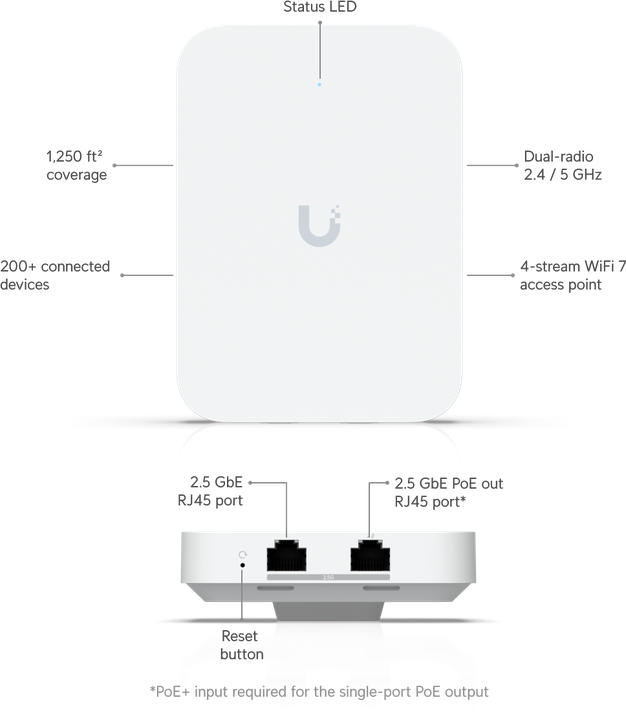
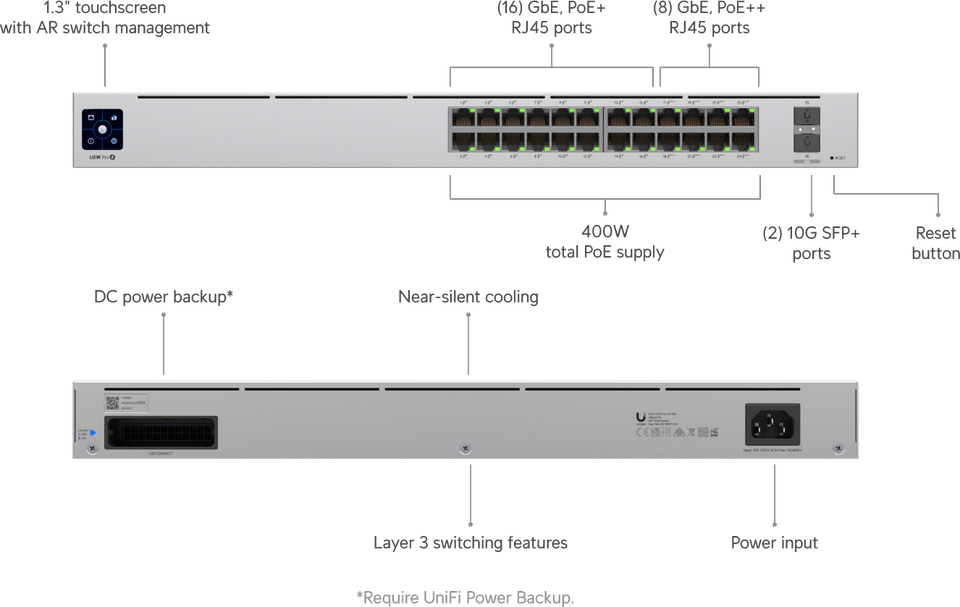
Ubiquiti UniFi networks represent a sophisticated approach to wireless infrastructure, delivering advanced network optimisation technologies that transform traditional connectivity solutions. Network performance configurations demonstrate the intricate strategies employed to maximise signal quality and coverage across complex environments.

The core strengths of UniFi networks emerge through several key technological innovations:

Wireless performance optimization involves multiple strategic considerations. UniFi networks excel by implementing sophisticated techniques such as:

  1. Precise Channel Width Selection
  2. Non-Overlapping Frequency Allocation
  3. Intelligent Transmit Power Management
  4. Automated Firmware Updates

The UniFi ecosystem offers remarkable flexibility through its Band Steering technology, which intelligently guides compatible devices towards less congested 5 GHz frequencies. This approach significantly reduces network interference and improves overall system performance.

Effective WiFi optimization requires a holistic approach that balances technical configuration with user experience requirements.

Cloud-based management platforms enable network administrators to monitor, configure, and troubleshoot UniFi networks remotely, providing unprecedented control and visibility. These platforms support real-time performance analytics, allowing rapid identification and resolution of potential connectivity issues.

Pro tip: Regularly audit your UniFi network configuration and leverage firmware updates to maintain optimal performance and security.

Common WiFi Coverage Problems And Solutions

WiFi networks frequently encounter complex challenges that can significantly disrupt connectivity and user experience. Network performance issues emerge from multiple interconnected factors, requiring sophisticated diagnostic and resolution strategies.

The most prevalent WiFi coverage problems typically include:

Wireless signal challenges manifest through several distinctive symptoms that network administrators must carefully diagnose:

  1. Inconsistent Connection Speeds
  2. Intermittent Signal Dropouts
  3. Limited Range Capabilities
  4. Unexpected Network Latency
  5. Frequent Connection Interruptions

Modern network environments demand comprehensive troubleshooting approaches that address both technical and environmental factors. Physical obstacles like concrete walls, metal structures, and electronic interference sources can dramatically impact signal propagation and network performance.

Effective WiFi problem resolution requires a systematic approach that combines technological understanding with strategic diagnostic techniques.

Mitigating coverage problems demands a multifaceted strategy involving hardware optimization, strategic access point placement, and continuous network monitoring. Advanced diagnostic tools and professional site surveys can help identify and resolve complex connectivity challenges before they significantly impact operational efficiency.

Infographic on UniFi WiFi coverage essentials

To further clarify common WiFi problems, here’s a summary linking issue types to practical solution strategies:

Problem Category Typical Cause Optimal Solution Business Impact
Signal Interference Overlapping devices Channel optimisation, shielding Reduced productivity
Dead Zones Poor access point placement Site survey, repositioning Connectivity gaps
Bandwidth Congestion High device density Traffic management, upgrades Slower collaboration
Outdated Infrastructure Obsolete hardware Equipment modernisation Security and reliability risk

This overview aids in rapid identification and resolution planning for network administrators.

Pro tip: Conduct regular wireless site surveys and maintain up-to-date network equipment to proactively prevent persistent WiFi coverage complications.

Impact Of Good Installation And Cabling

Network infrastructure’s success fundamentally depends on meticulous installation and strategic cabling design. WiFi infrastructure standards demonstrate how precise technical implementation dramatically influences overall network performance and reliability.

The critical components of exceptional network installation include:

Network infrastructure deployment requires comprehensive understanding of multiple technical dimensions. Campus network best practices reveal several crucial installation parameters:

  1. Adherence to Industry Cabling Standards
  2. Comprehensive Signal Path Planning
  3. Minimising Physical Layer Complications
  4. Implementing Redundancy Mechanisms
  5. Documenting Installation Configurations

Modern networking technologies like WiFi 6 and emerging WiFi 7 standards place unprecedented demands on underlying infrastructure. Professional installation ensures that complex wireless networks maintain optimal performance through carefully engineered physical layer foundations.

Effective network installation transcends mere technical implementation — it represents a strategic investment in organisational communication capabilities.

Critical considerations during installation include cable quality, bend radius management, distance limitations, and electromagnetic interference prevention. Professional technicians must balance theoretical knowledge with practical implementation skills to create robust, future-proof network environments.

Pro tip: Always document cable routes, test each connection thoroughly, and maintain a comprehensive network infrastructure blueprint for efficient future maintenance.

Unlock Seamless WiFi Coverage with Professional Ubiquiti Unifi Installation

Reliable WiFi coverage is essential for optimising your Ubiquiti Unifi network performance and preventing common connectivity issues such as dead zones, interference, and bandwidth congestion. At natverkstekniker.se, we specialise in tailored network solutions for both private individuals and businesses seeking stable, high-speed wireless and wired connections. From expert installation of Unifi access points and switches to professional network cabling with Cat6a and Cat7 cables, we ensure your network infrastructure is future-proof and scalable.

https://natverkstekniker.se

Dont compromise on your digital environment. Secure your networks full potential today by choosing certified technicians who prioritise performance, security, and seamless coverage. Take the next step now and Boka Tid with our network experts. For immediate assistance, call us at 08 400 117 26 or email kontakt@natverkstekniker.se.

Frequently Asked Questions

What is WiFi coverage and why is it important for UniFi networks?

WiFi coverage refers to the area in which a wireless network signal is accessible. It is essential for UniFi networks as it ensures reliable connectivity, supports device density, and facilitates seamless communication across various environments.

How can I optimise my UniFi network coverage?

To optimise your UniFi network coverage, ensure proper placement of access points, minimise signal interference, and periodically conduct site surveys to identify and resolve potential coverage gaps. Also, consider using band steering and intelligent signal distribution features.

What are common issues affecting WiFi coverage in UniFi networks?

Common issues include signal interference from other devices, dead zones where signals are weak or absent, bandwidth congestion during peak usage, outdated infrastructure, and security vulnerabilities. Each of these can critically impact the performance and user experience of your network.

How does installation and cabling affect WiFi coverage in UniFi networks?

Meticulous installation and structured cabling design are crucial for optimal WiFi coverage. High-quality cable selection and precise access point positioning can significantly reduce signal degradation and improve network reliability, ensuring that your UniFi network performs at its best.