Setting up a reliable network infrastructure can feel overwhelming with so many technical details to consider. From selecting the correct cable type to strategising device placement, each decision affects your connectivity and long term performance. If your organisation wants to avoid costly mistakes and future proof your cabling setup, careful planning is essential.

This list reveals proven steps backed by recognised standards and university guidance so you can build a structured cabling system that meets both current needs and future growth. You will discover practical guidelines for cable selection, device coverage and maintenance that keep your network running smoothly. Get ready to gain actionable insights that simplify complex tasks and help you achieve professional results.

Table of Contents

Quick Summary

Takeaway Explanation
1. Assess Network Needs Before Installation Understanding your network requirements ensures an effective layout that supports current operations and future growth.
2. Choose Appropriate Cables Judiciously Select the right cable type and length based on performance requirements to optimise signal quality and reliability.
3. Strategically Place Devices for Coverage Consider physical structures and interference when positioning devices to achieve uniform wireless coverage and reduce dead zones.
4. Document and Label Cable Runs Thoroughly Proper documentation aids maintenance and troubleshooting, transforming complex cabling into manageable systems.
5. Conduct Rigorous Testing of Connections Validate network performance through systematic testing to ensure reliable connectivity and prevent future issues.

1. Assess Network Requirements and Layout

Network cabling installation begins with a comprehensive assessment of your organisation’s network infrastructure needs. Understanding your specific requirements ensures a robust, scalable, and efficient network design that supports your current operations and future growth.

A successful network layout depends on several critical factors:

Careful planning involves strategic telecommunications room placement that maximises network performance. This means positioning central telecommunication rooms strategically across floor spaces to ensure optimal coverage and minimise signal degradation.

Proper network layout is not just about connecting cables, but creating a structured system that supports seamless digital communication.

When assessing requirements, consider these key elements:

  1. Current number of network devices
  2. Expected growth in device count
  3. Specific bandwidth demands
  4. Physical building layout constraints

The goal is designing a network infrastructure that adapts to your organisation’s evolving technological landscape. Structured cabling systems should incorporate flexibility for future expansions and technological upgrades.

Pro tip: Conduct a comprehensive site survey before finalising your network layout to identify potential interference sources and optimal cable routing paths.

2. Select Proper Cable Type and Length

Choosing the right cable type and length is fundamental to creating a high-performance network infrastructure. Your cable selection directly impacts signal quality, network reliability, and overall system performance.

Key Cable Categories for Network Installations:

Structured cabling standards provide critical guidance for selecting appropriate cable types based on specific performance requirements. Understanding these standards helps network professionals make informed decisions about cable selection.

Signal integrity depends not just on cable quality but on precise length and installation techniques.

Consider these critical factors when selecting cables:

  1. Distance between network points
  2. Required bandwidth
  3. Environmental interference potential
  4. Budget constraints
  5. Future scalability needs

Network Cable Length Limitations are crucial to understand. Cable length specifications typically recommend:

Proper cable selection ensures optimal signal transmission and minimises potential network disruptions. By carefully matching cable types to your specific infrastructure requirements, you can create a robust and reliable network system.

Pro tip: Always purchase high-quality cables from reputable manufacturers and perform thorough signal testing after installation to validate performance.

3. Plan for Unifi Device Placement and Coverage

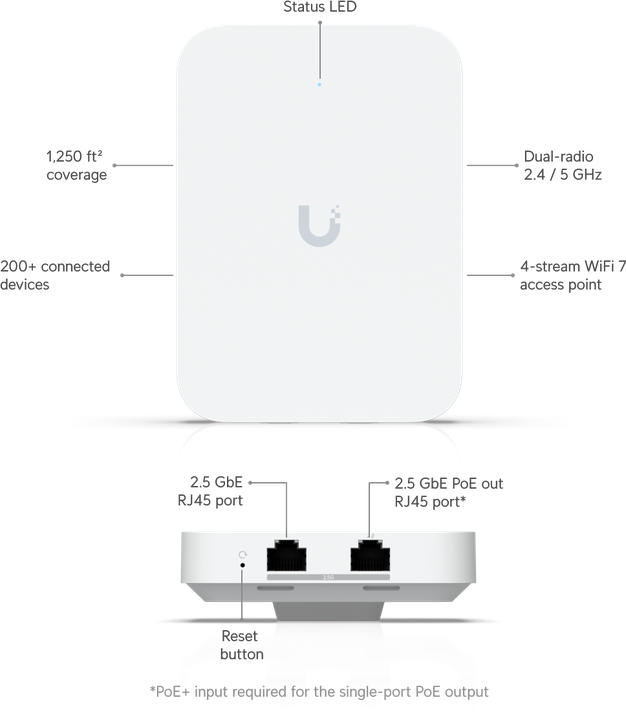
Strategic Unifi device placement is the foundation of a robust wireless network infrastructure. Effective coverage requires meticulous planning that considers your specific architectural layout and network performance requirements.

Key Considerations for Device Placement:

Network device positioning demands careful analysis of your organisation’s spatial characteristics. Understanding how architectural elements impact wireless signals is crucial for optimal network performance.

Wireless coverage is not about quantity of devices but strategic deployment for seamless connectivity.

Consider these critical placement factors:

  1. Minimise physical obstructions
  2. Distribute access points evenly
  3. Maintain consistent signal strength
  4. Account for potential interference zones
  5. Plan for future expansion

The goal is creating uniform wireless coverage that eliminates dead zones and provides consistent network performance across your entire workspace. Cabling and device placement should prioritise signal quality and reliable connectivity.

Pro tip: Conduct a preliminary site survey using heat mapping tools to visualise potential signal strengths and identify optimal Unifi device locations before final installation.

4. Label and Document All Cable Runs

Precise cable labelling and documentation are critical components of a professional network infrastructure. Meticulous record-keeping transforms complex cabling systems from potential chaos into manageable, traceable networks.

Essential Documentation Components:

Network cabling standards emphasise the importance of creating a comprehensive documentation system that supports long-term network management and troubleshooting.

Proper documentation is not an administrative task but a strategic investment in network reliability.

Implement these labelling best practices:

  1. Use consistent naming conventions
  2. Include unique identifiers for each cable run
  3. Create a centralised documentation repository
  4. Update records after every modification
  5. Ensure labels are clear and durable

Effective structured cabling documentation provides immediate network intelligence for maintenance teams. A well-documented network reduces diagnostic time and minimises potential service interruptions.

Pro tip: Create a digital spreadsheet with colour-coded tabs for different network segments and include photographs of complex cable runs to complement your written documentation.

5. Install and Secure Data Cabinets and Patch Panels

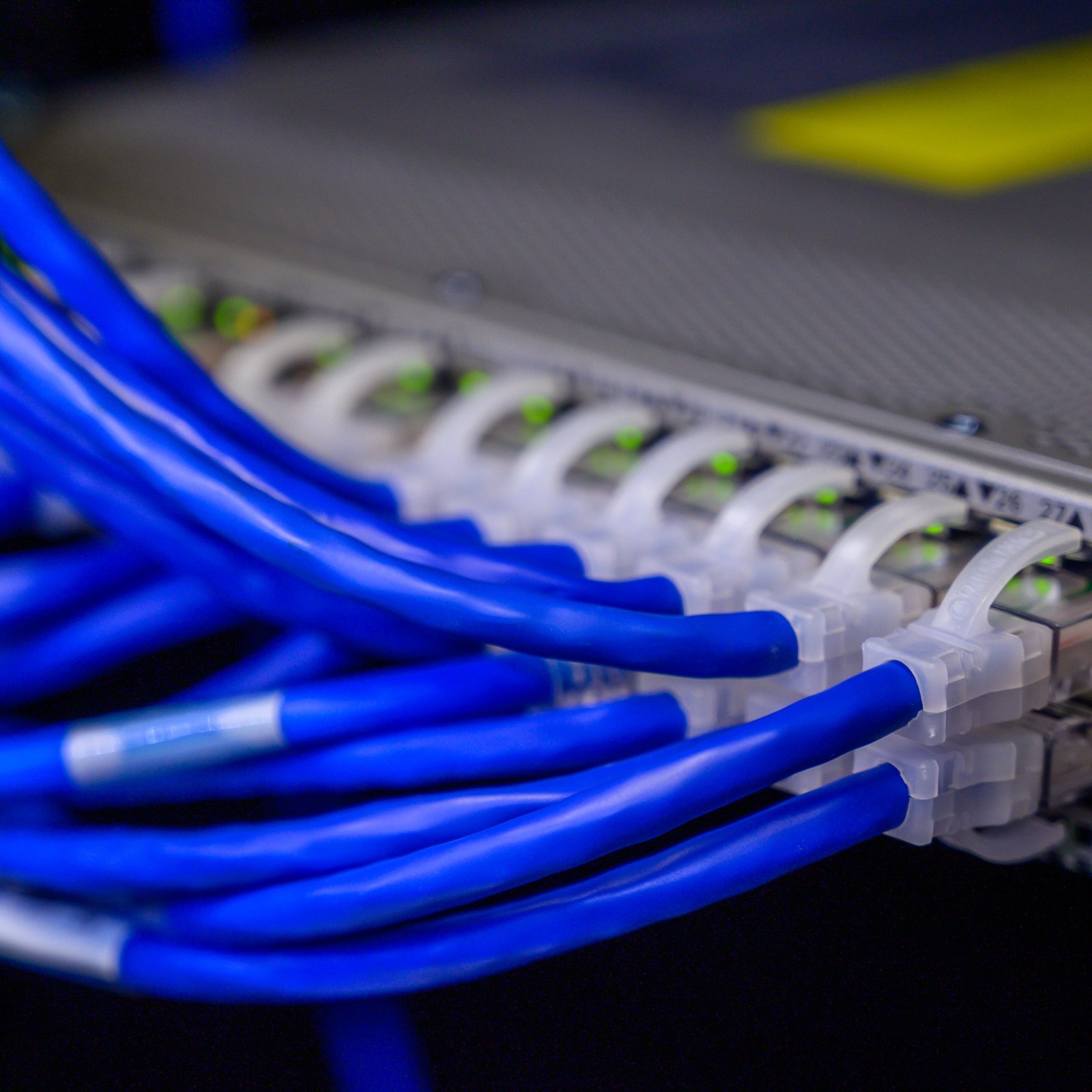
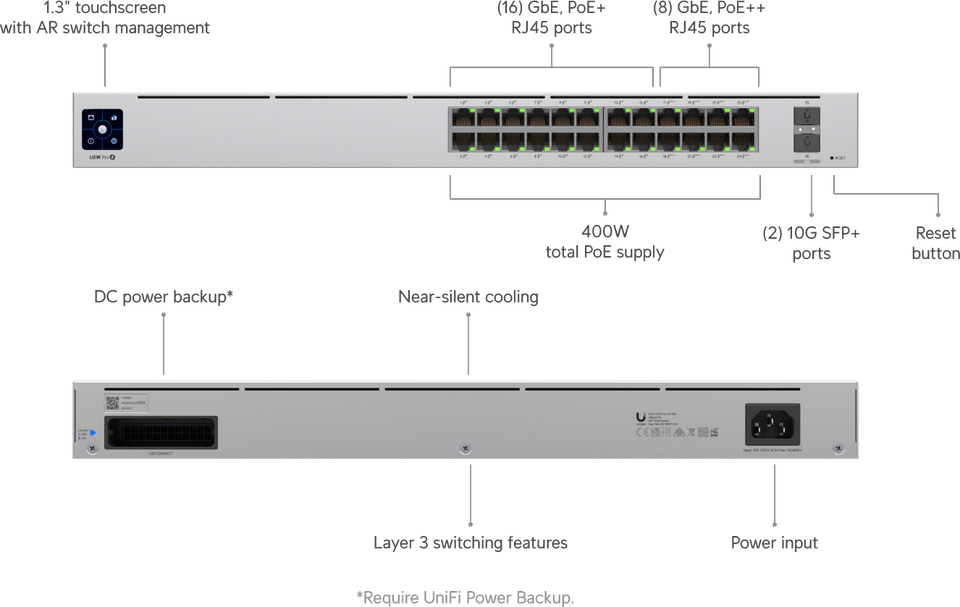
Data cabinets and patch panels form the critical backbone of network infrastructure, providing secure housing and organised connectivity for your network equipment. Proper installation ensures both physical protection and optimal network performance.

Key Installation Considerations:

Network infrastructure standards emphasise the importance of strategic data cabinet placement and meticulous equipment mounting.

A well-designed network cabinet is more than storage it is a strategic asset for network reliability.

Follow these essential installation guidelines:

  1. Select a temperature-controlled location
  2. Ensure robust physical anchoring
  3. Implement proper grounding mechanisms
  4. Maintain adequate ventilation
  5. Plan for future expansion capacity

Effective data cabinet configuration provides comprehensive network protection and supports seamless technological evolution.

Pro tip: Use vertical cable management bars and colour-coded cable ties to maintain neat, organised patch panel connections that simplify future troubleshooting and maintenance.

6. Test Cable Connections for Performance and Reliability

Network performance hinges on rigorous cable connection testing. Comprehensive validation ensures your network infrastructure delivers consistent, reliable connectivity across all segments.

Essential Testing Parameters:

Structured cabling standards emphasise the critical nature of systematic cable performance verification before deployment.

Network reliability is not assumed it is meticulously verified through comprehensive testing.

Implement these testing protocols:

  1. Use professional-grade cable testers
  2. Test each cable run individually
  3. Verify against manufacturer specifications
  4. Document test results thoroughly
  5. Retest after any physical modifications

Comprehensive permanent link testing provides critical network infrastructure validation that prevents future connectivity issues.

Pro tip: Invest in a high-quality cable tester with reporting capabilities and maintain a digital log of all test results for future reference and troubleshooting.

7. Schedule Maintenance and Ongoing Support

Network infrastructure requires consistent care and strategic maintenance to ensure optimal performance and longevity. Proactive support prevents potential disruptions and maintains the reliability of your network systems.

Critical Maintenance Elements:

Network infrastructure standards highlight the importance of systematic maintenance approaches that anticipate potential issues before they escalate.

Effective maintenance is not reactive it is a planned, strategic investment in network reliability.

Implement these maintenance protocols:

  1. Develop quarterly inspection schedules
  2. Create comprehensive documentation logs
  3. Train technical personnel regularly
  4. Monitor environmental conditions
  5. Budget for periodic equipment upgrades

Ongoing support strategies provide continuous network performance assurance that protects your technological investments.

Pro tip: Establish a digital maintenance calendar with automated reminders and create standardised checklists to ensure consistent and thorough network infrastructure evaluations.

Below is a comprehensive table summarising the key points and strategies discussed throughout the article regarding network cabling and infrastructure setup.

Topic Description Key Considerations
Assessing Network Requirements Evaluating organisational infrastructure needs for scalability and efficient operations. Topology, bandwidth, future growth, device coverage.
Cable Type Selection Choosing cable types such as UTP, STP, Fibre Optic, or Coaxial for optimal performance. Environment factors, length limitations, and scalability.
Device Placement Design Strategic positioning of Unifi devices for seamless wireless connectivity. Reducing interference, signal strength consistency, and client device distribution.
Cable Labelling and Documentation Ensuring organised and traceable cabling systems for maintenance ease. Unique identifiers, updating records, and creating centralised repositories.
Data Cabinet Installation Setting up secure and organised housing for networking equipment. Ventilation, physical security, scalability planning.
Connection Performance Testing Verifying connectivity through signal and transmission quality checks. Using professional testing tools, adherence to specifications, and documenting results.
Maintenance and Support Strategies Implementing regular inspections and upgrades for sustained performance. Staff training, budgeting for replacements, and environmental monitoring.

Secure and Future-Proof Your Network with Professional Ubiquiti Unifi Installation

Managing a reliable network infrastructure involves more than just cabling it involves expert planning, thorough installation, and ongoing support. If you are facing challenges with network cabling, Unifi device placement, or device performance, our team at natverkstekniker.se specialises in delivering tailored solutions for both businesses and private individuals. We understand the crucial steps from assessing network requirements, selecting the right cables, to rigorous testing, ensuring your network is always secure and scalable.

https://natverkstekniker.se

Don’t let network downtime or poor wireless coverage disrupt your operations. Book a professional installation today with our certified technicians who offer expert Unifi network setup, structured cabling using Cat6 and above, and neat patch panel organisation. Click the button below to Boka Tid and take the first step towards seamless connectivity. For immediate assistance, call us at tel:0840011726 or email kontakt@natverkstekniker.se — our experts are ready to help you achieve a stable and future-ready network.

Explore the complete range of our network solutions on our homepage natverkstekniker.se to learn how professional network cabling and Unifi installation can transform your digital environment.

Frequently Asked Questions

What key factors should I consider when assessing network requirements for my cabling installation?

When assessing network requirements, consider the current number of network devices, expected growth, specific bandwidth demands, and physical building layout constraints. Start by conducting a thorough evaluation of these elements to design an adaptable and robust network infrastructure.

How do I select the proper cable type for my network installation?

Choose the right cable type based on performance requirements, environmental factors, and future scalability needs. Identify whether Unshielded Twisted Pair (UTP) or Fibre Optic Cables are best for your specific situation, and aim to match these to your network’s bandwidth and distance needs.

What placement strategies should I use for Unifi devices to ensure optimal coverage?

Ensure Unifi device placement minimises physical obstructions and evenly distributes access points throughout your workspace. Conduct a preliminary survey to visualise potential coverage issues and identify optimal locations for consistent signal strength across the environment.

How should I label and document my cable runs for efficient network management?

Label each cable run with consistent naming conventions and include details such as cable type, origin, destination, and installation date. Create a centralised digital documentation system to keep track of these details and update records after any modifications to maintain accuracy.

What are the key steps for testing cable connections after installation?

Perform rigorous testing of cable connections for signal integrity, attenuation levels, and bandwidth capacity using professional-grade cable testers. Document each test result to ensure compliance with manufacturer specifications and re-test any modified runs to maintain network reliability.

What does a maintenance schedule for network infrastructure typically include?

A maintenance schedule should include regular inspections, performance monitoring, documentation updates, and staff training programmes. Develop a quarterly timetable and implement checklists to ensure comprehensive evaluations, aiming to identify and address potential issues proactively.