Struggling with unpredictable network costs and rising IT demands is common for many Stockholm businesses aiming for dependable connectivity. Traditional hardware-heavy setups create financial strain and steal valuable time from your team. Network as a Service redefines connectivity by delivering a cloud-based consumption model that replaces upfront investment with predictable monthly costs and hands-off automation. Discover how Ubiquiti Unifi and a flexible NaaS approach simplify network management, increase security, and let you scale effortlessly as your business grows.

Table of Contents

Key Takeaways

Point Details
NaaS Model Network as a Service allows businesses to access networking capabilities as a subscription, eliminating substantial capital expenditures on hardware and maintenance.
Operational Flexibility NaaS enables companies to scale their network services easily based on demand, adapting quickly without the need for physical upgrades.
Enhanced Security Integrated security features in NaaS provide consistent protection across all locations, reducing the operational burden on IT teams.
Cost Predictability Monthly subscription fees for NaaS facilitate better budgeting and financial planning, transforming unpredictable capital costs into uniform operational expenses.

Network as a Service Defined

Network as a Service (NaaS) represents a fundamental shift in how businesses approach connectivity. Instead of owning and maintaining network hardware, you pay for networking as a subscription service, much like you would cloud storage or software.

At its core, NaaS is a cloud-based consumption model where a service provider manages your entire network infrastructure. You no longer worry about purchasing routers, switches, or access points—the provider handles provisioning, updates, and troubleshooting through automated systems.

How NaaS Works in Practice

Pay-as-you-go networking models transform capital expenditure into operational expense, allowing you to scale services based on actual demand. The provider automates provisioning and management through APIs, ensuring real-time performance without manual configuration headaches.

Here’s what happens behind the scenes:

Key Differences from Traditional Networking

Traditional networking requires significant upfront investment in equipment and IT staff. NaaS eliminates these capital expenses by shifting responsibility to your provider.

With traditional networks, you manage updates, security patches, and hardware maintenance yourself. NaaS providers handle everything automatically, reducing your IT workload considerably.

NaaS transforms unpredictable equipment costs into predictable monthly expenses, giving you better budget control and financial visibility.

Why This Matters for Swedish Businesses

Small and medium-sized businesses in Stockholm often lack dedicated networking teams. NaaS allows you to access enterprise-grade connectivity without hiring specialists.

Small business owner setting up network

You avoid the complexity of managing structured cabling infrastructure independently. Providers handle physical deployment and maintenance, freeing your team to focus on core business operations.

Upfront capital constraints disappear when you eliminate hardware purchases. Monthly subscription costs are predictable and easier to budget than unexpected equipment failures or replacements.

NaaS Flexibility

Network requirements change as your business grows. NaaS lets you adjust services without ripping out old equipment or purchasing new hardware.

Pro tip: Start with a clearly defined service agreement that specifies uptime guarantees, support response times, and exactly what’s included in your monthly fee—this prevents surprises and ensures your provider meets your actual business needs.

NaaS isn’t a one-size-fits-all offering. Different models address different business needs, and understanding each helps you choose the right fit for your organisation.

The market offers several proven approaches that businesses of all sizes now rely on. Each model balances cost, control, and complexity differently, allowing you to pick what suits your specific situation.

SD-WAN and Secure Access Service Edge

SD-WAN and SASE solutions give you software-defined networking with built-in security, delivered as a managed service. Instead of traditional hardware-based networking, traffic routing happens through intelligent software that optimises performance automatically.

With SD-WAN/SASE as a service, you get:

Managed WAN Connectivity

Managed WAN services handle your wide-area network completely. The provider deploys, monitors, and optimises all connections linking your offices together.

This model works particularly well for businesses with multiple locations. You pay one monthly fee and gain guaranteed performance across your entire network footprint.

Cloud and WAN Interconnectivity

Modern businesses increasingly rely on cloud applications, requiring fast, reliable connections to cloud platforms. This NaaS model ensures seamless integration between your sites and cloud services.

You gain direct, optimised paths to major cloud providers. This reduces latency for cloud-based tools, improves productivity, and simplifies your network architecture.

Cloud and WAN interconnectivity services solve the common problem of slow, unreliable cloud access by providing dedicated, optimised pathways managed by your provider.

Campus and Branch Networking

Campus and branch networking services cover office locations comprehensively. Cloud-native network solutions enable programmable networks that adapt to your needs automatically.

Your provider manages:

Which Model Fits Your Business?

Small Stockholm businesses often benefit from managed WAN connectivity or campus networking. Medium-sized organisations typically need SD-WAN/SASE to balance security and performance.

Consider your growth trajectory, current pain points, and budget constraints. Your provider should help you select the model that aligns with your business strategy.

For quick reference, here is a summary of the main NaaS models and the business scenarios they best address:

NaaS Model Best For Key Strength
SD-WAN/SASE Medium enterprises, remote sites Security and performance
Managed WAN Connectivity Multi-location small businesses Simplified operations
Cloud Interconnectivity Cloud-focused firms, rapid growth Low-latency cloud access
Campus Networking Large offices, complex environments Automated local management

Pro tip: Request a trial period or proof-of-concept deployment before committing to a long-term NaaS contract—this lets you verify performance improvements and confirm the model addresses your actual connectivity challenges.

Key Benefits for Businesses and Homes

NaaS delivers tangible advantages that matter to your bottom line. Whether you run a small Stockholm office or manage multiple locations, the benefits address real challenges you face today.

The shift from ownership to subscription unlocks financial flexibility and operational simplicity that traditional networking simply cannot match.

Cost Efficiency and Predictable Budgeting

Converting capital expenses into predictable operational expenses eliminates surprise network costs. No more unexpected hardware failures draining your budget mid-year.

Infographic comparing NaaS and traditional networking

You know exactly what you’ll pay each month. This predictability makes financial planning straightforward and allows you to allocate resources confidently to other business priorities.

Traditional networking requires large upfront investments in equipment. NaaS spreads costs evenly across months, freeing cash for growth initiatives.

Scalability Without Hardware Constraints

Business growth shouldn’t mean ripping out old network equipment. NaaS scales instantly with your needs.

Adding users, locations, or bandwidth happens through service adjustments, not costly hardware purchases. Your network adapts automatically as your business evolves.

Reduced Operational Burden

NaaS simplifies network management through automation and centralised platforms, freeing your team from repetitive tasks. Manual updates, security patches, and troubleshooting become the provider’s responsibility.

Your IT staff can focus on strategic work instead of maintaining infrastructure:

Enhanced Security and Compliance

Network security becomes built-in rather than bolted-on. Modern NaaS includes Zero Trust architecture, automated threat detection, and identity management integrated throughout your network.

Centralised security policies mean consistent protection across all locations, devices, and users—something difficult to achieve with traditional networks.

European businesses benefit from automatic compliance with data protection standards. Your provider maintains security certifications, reducing compliance burdens on your team.

Perfect for Remote and Hybrid Work

Modern work isn’t location-based anymore. NaaS supports remote and hybrid teams seamlessly without performance degradation.

Employees connect securely from anywhere whilst accessing cloud applications with consistent performance. Your network infrastructure adapts to changing work patterns automatically.

Benefits for Homeowners and Small Operations

NaaS isn’t just for large enterprises. Homeowners running small businesses benefit from professional-grade connectivity without technical complexity.

You gain reliable wireless coverage, automatic backups, and security without hiring IT support. Your home network receives the same enterprise-level reliability businesses depend on.

Pro tip: Document your current network pain points and bandwidth requirements before discussing NaaS with providers—this helps them recommend the right model and ensures you receive exactly what your business actually needs.

Costs, Risks and Security Considerations

NaaS sounds appealing, but like any service model, it comes with costs, risks, and security considerations you must understand before committing. Being informed protects your business and ensures you make the right decision.

The key is understanding these challenges upfront so you can address them with your provider.

Understanding Hidden Costs

Whilst NaaS eliminates large capital expenses, ongoing subscription costs can accumulate across multiple services. A seemingly affordable monthly fee multiplies quickly when you add security features, premium support, and additional capacity.

Bandwidth overages, extra users, and premium features often cost more than the base package. Request detailed pricing breakdowns showing exactly what’s included and what triggers additional charges.

Some providers charge setup fees, migration costs, or early termination penalties. Always review contracts carefully before signing to avoid financial surprises.

Internet Connectivity Dependency

NaaS relies entirely on your internet connection working continuously. If your connection fails, your network fails—no exceptions.

You need redundant internet connections from different providers to ensure reliability. This additional cost is essential but often overlooked during initial planning.

Multi-Tenant Security Risks

Understanding cybersecurity resilience and threat mitigation strategies becomes critical in multi-tenant NaaS environments where your data shares infrastructure with other customers. One customer’s security breach could potentially affect your network.

Key security concerns include:

Data Privacy and Regulatory Compliance

European businesses must comply with GDPR and other stringent data protection laws. Your NaaS provider must prove they meet these requirements through certifications and regular audits.

Service level agreements and encryption protocols protect your data, but you’re ultimately responsible for ensuring compliance. Clarify where data is stored, who can access it, and how it’s protected.

Data residency becomes critical—some regulations require data to remain within specific geographic regions.

Vendor Lock-In Risks

Migrating away from a NaaS provider becomes difficult once you’re deeply integrated. Switching costs, data migration challenges, and service interruptions create practical and financial barriers.

Negotiate contract terms that include clear exit clauses, data export options, and reasonable migration windows to protect yourself against being trapped with an underperforming provider.

Provider Reliability Matters

Your business depends entirely on your provider’s reliability and financial stability. A provider going out of business leaves you without network support.

Research provider history, customer reviews, and financial stability before committing to long-term contracts.

Pro tip: Request a detailed security audit from your potential NaaS provider covering data encryption, access controls, incident response procedures, and compliance certifications—this transparency indicates a trustworthy partner and protects your business.

Comparing NaaS to Traditional Networking

Choosing between NaaS and traditional networking comes down to understanding how they differ fundamentally. Each approach has distinct characteristics that affect cost, flexibility, and how your IT team works.

The comparison reveals why many businesses are shifting away from traditional models towards NaaS.

To further clarify the differences between NaaS and traditional networking, here’s a concise comparison table highlighting their impact on business operations:

Aspect NaaS Subscription Model Traditional Networking
Upfront Investment Minimal, subscription based Significant hardware costs
Scalability Dynamic, instant adjustments Requires physical upgrades
IT Management Outsourced, automated Internal, manual tasks
Security Approach Integrated, auto-updated Manual, needs expert staff
Cost Predictability Fixed monthly payments Unpredictable expenses
Compliance Provider handles certification Self-managed, resource heavy

Capital Expenditure vs Operational Expenditure

Traditional networking requires large upfront purchases of routers, switches, servers, and licences. You buy equipment, depreciate it over years, and replace it when it fails or becomes outdated.

Subscription-based cloud models replace fixed infrastructure investments with flexible consumption, spreading costs evenly across months. You pay only for what you use, making budgeting predictable and allowing capital reallocation to growth initiatives.

Traditional networks lock you into equipment choices for years. NaaS lets you adjust services instantly as needs change.

Scaling and Flexibility

Expanding a traditional network means purchasing additional hardware, planning capacity, and coordinating installations. Growth becomes expensive and time-consuming.

NaaS scales instantly through service adjustments. Adding users, locations, or bandwidth happens through software changes, not hardware deployments.

Maintenance and Operational Burden

Traditional networks demand continuous manual work from your IT team:

NaaS automates these tasks completely. Your provider handles updates, patches, monitoring, and troubleshooting, freeing your team for strategic work.

Management Complexity

Traditional networks scatter management across multiple tools and platforms. Different devices require different approaches, creating complexity and inconsistency.

Centralised management through cloud platforms means single-pane visibility across your entire infrastructure. Policies apply consistently everywhere, reducing errors and simplifying administration.

Security and Compliance

Traditional networks require you to implement, update, and maintain security tools independently. Compliance becomes your responsibility entirely.

NaaS providers integrate security throughout the infrastructure with automated threat detection, policy enforcement, and compliance monitoring—reducing your burden significantly.

NaaS updates security policies automatically, ensuring you stay protected against emerging threats without manual intervention.

Performance and Analytics

Traditional networks offer basic visibility into what’s happening. You troubleshoot problems reactively after users report issues.

NaaS includes AI-driven analytics that identify problems before they affect users. Optimisation happens automatically, and performance improves continuously.

When Traditional Still Makes Sense

Some organisations prefer traditional networking for specific reasons. Extremely high data volumes, stringent data residency requirements, or unique compliance needs might make traditional networks necessary.

Most small and medium-sized businesses benefit significantly from NaaS flexibility and cost efficiency.

Pro tip: If evaluating NaaS versus your current traditional network, calculate your true total cost of ownership including staff time, hardware replacement cycles, and downtime costs—this often reveals NaaS offers substantially better value.

Discover Reliable Network Solutions Tailored for Both Homes and Businesses

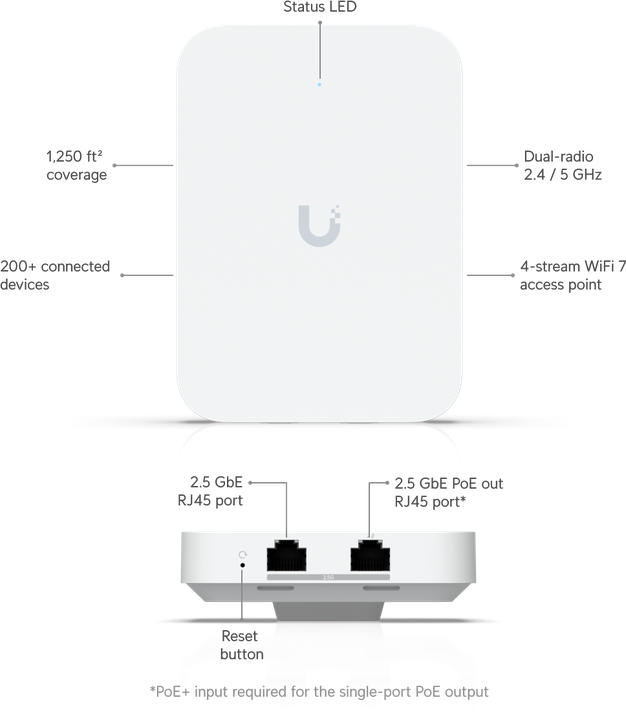
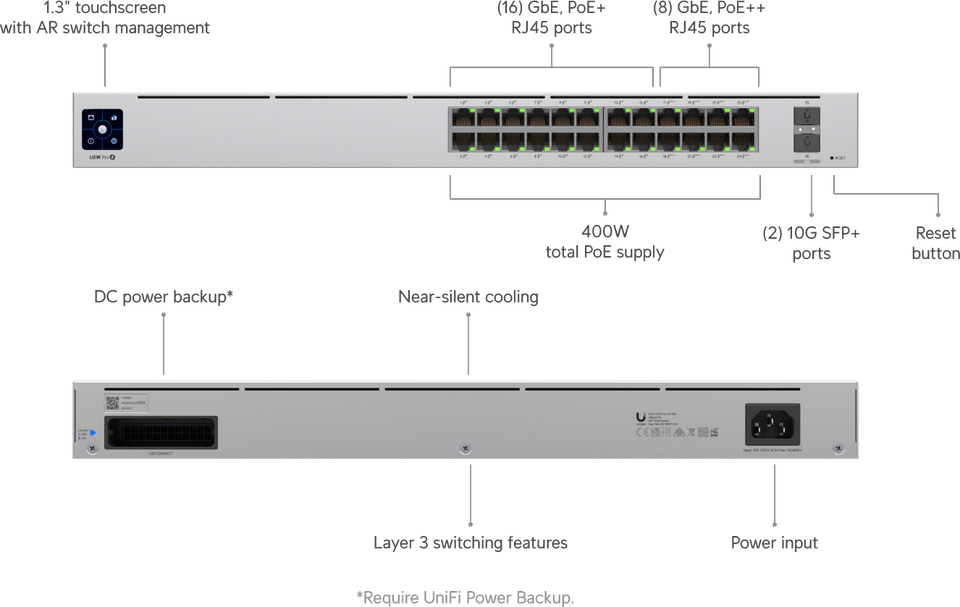
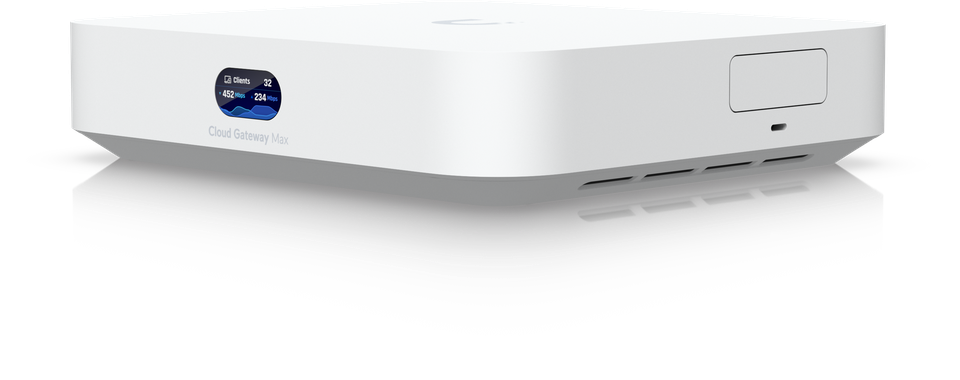
The article highlights the transformative power of Network as a Service and its benefits for flexible, scalable connectivity. Many face challenges with unpredictable costs, complex network management, and security concerns, especially when trying to keep networks future-proof and secure. At natverkstekniker.se, we specialise in professional network installations with Ubiquiti Unifi — a trusted solution for both private individuals and companies. Whether you need expert installation of Unifi access points, switches, gateways or professional network cabling with Cat6 and beyond, our certified technicians ensure your network is stable, secure and easy to manage.

https://natverkstekniker.se

Connect with us today to experience the ease of Network as a Service combined with the best hardware and structured cabling solutions. Take the first step toward eliminating unpredictable costs and network headaches. Call us now at tel:0840011726 or email
kontakt@natverkstekniker.se for immediate assistance. For a personalised consultation, simply click the button below and Boka Tid to secure your spot now.

Frequently Asked Questions

What is Network as a Service (NaaS)?

Network as a Service (NaaS) is a cloud-based model where businesses access networking as a subscription service, eliminating the need for ownership and maintenance of physical network hardware.

How does NaaS differ from traditional networking?

NaaS shifts the responsibility of network management, updates, and security to the service provider, transforming upfront capital expenses into predictable monthly operational costs, while traditional networking requires significant up-front investments and ongoing management by in-house IT teams.

What are the key benefits of using NaaS for businesses?

The main benefits of NaaS include cost efficiency, scalability without hardware constraints, reduced operational burden for IT staff, and built-in security features that enhance compliance and protection against threats.

Can NaaS support remote and hybrid work environments?

Yes, NaaS seamlessly supports remote and hybrid work by providing secure access to cloud applications, ensuring that employees can connect reliably from any location without performance degradation.